Reflection of Fragility in Contemporary Art
Fragility in contemporary art
When you hear the word «fragile» classic images immediately come to mind: a porcelain cup, a glass orb, or an egg in its shell. Something that can be easily broken, damaged, turned into something irreparable — yet, because of that, even more unique. Yes, such interpretations exist in art, but a much deeper and more powerful idea resonates: fragility is not a weakness, but a stance. Not vulnerability, but a potential for resistance and transformation.
A parallel is often drawn here to the Japanese art of kintsugi, where a broken vase is not merely glued back together but acquires a new beauty — the cracks filled with golden lacquer become its history, its strength. However, contemporary artists rarely speak of fragility as a decorative metaphor. More often, they reveal its tragic foundation — the events and conditions that break a person, that make them vulnerable. But it is precisely in this fracture that a different kind of strength is born: an inner resilience, the necessity to prove something to the world or to stand against it every day.
In this reading, fragility ceases to be the state of a fragile object — it becomes a state of spirit, which, by accepting its own vulnerability, gains a special, fractured fortitude.
Pepe Espaliú — El nido (The Nest) (1993)
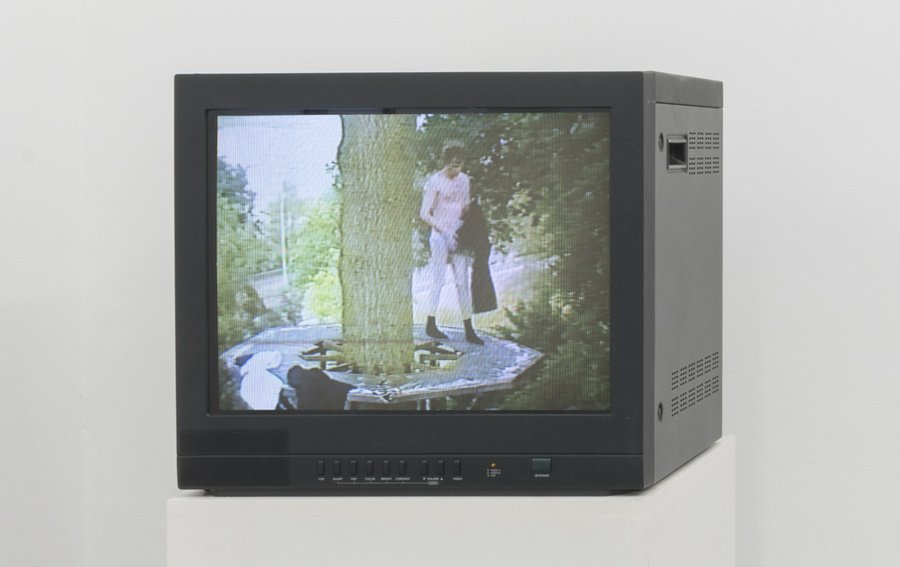
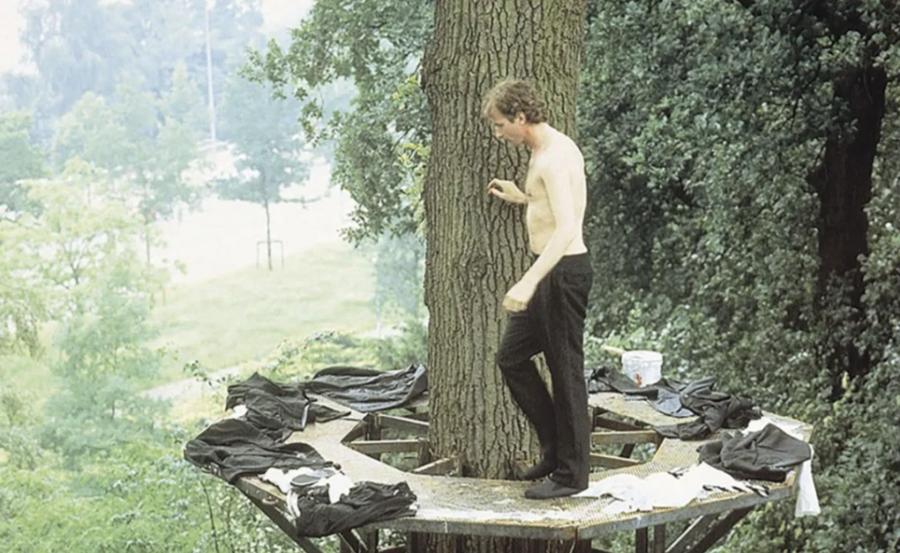
Pepe Espaliú — El nido (The Nest) (1993)
The theme of fragility is central to the work of Pepe Espaliú, most poignantly expressed in his performance «El nido» («The Nest»). Over the course of eight days, the artist walked on a platform high in a tree, gradually removing articles of clothing until he stood completely naked. This powerful act was a direct response to a profound personal crisis — a recent AIDS diagnosis — which forced Espaliú to radically reconsider the very concept of corporeality and his own body. He concluded that the body was elusive and essentially absent as a coherent whole, threatened by illness and oblivion. In this performance, the theme of fragility unfolds through several interconnected layers:
1)Existential fragility. The artist’s naked, vulnerable body, poised between life and death, becomes an embodiment of human finitude. 2)Physical and symbolic fragility. The «nest» itself — a traditional symbol of home, safety, and birth — is rendered empty, exposed, and unprotected, transforming into a metaphor for lost sanctuary and the fragility of life itself. 3)Social fragility. The performance served as a silent yet powerful statement against the stigma and silencing of AIDS in 1990s society, exposing the fragility of human solidarity and empathy in the face of an epidemic.
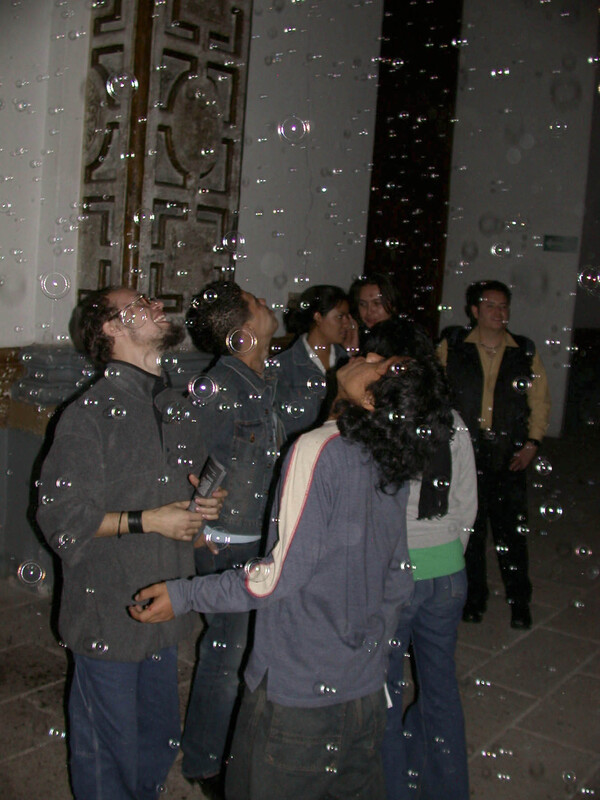
Teresa Margolles — En el aire (2003)
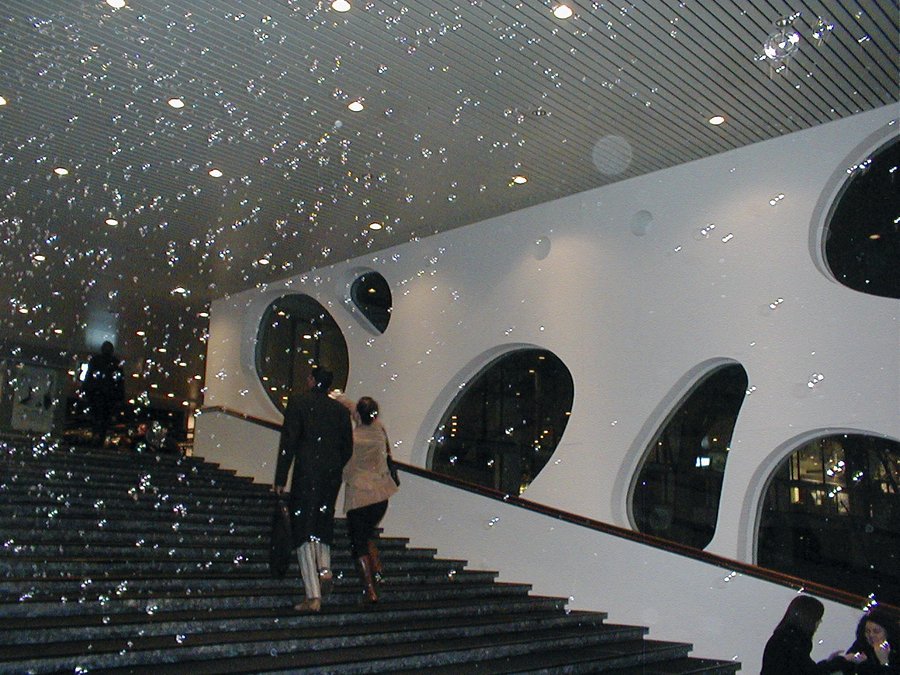

Teresa Margolles — En el aire (2003)
The installation «En el aire» («In the Air») by Mexican artist Teresa Margolles addresses the ultimate fragility and transience of the human flesh. To create it, Margolles used water from morgues where the bodies of violence victims were washed, transforming it into a wall of bubbles. The air in the room gradually becomes saturated with the evaporation of this water, creating an almost tangible presence of death, grief, and collective memory. In this way, the artist performs a transformation: bodily remains, stripped of name and individuality, acquire a new yet astonishingly fragile and ephemeral form — that of soap bubbles. This meditative installation becomes an act of ritual remembrance and a restoration of dignity for the deceased, who deserve public mourning. Through the vulnerability and impermanence of the medium itself, Margolles returns humanity to the invisible victims.
Kader Attia — Repair. 5 Acts (2013)

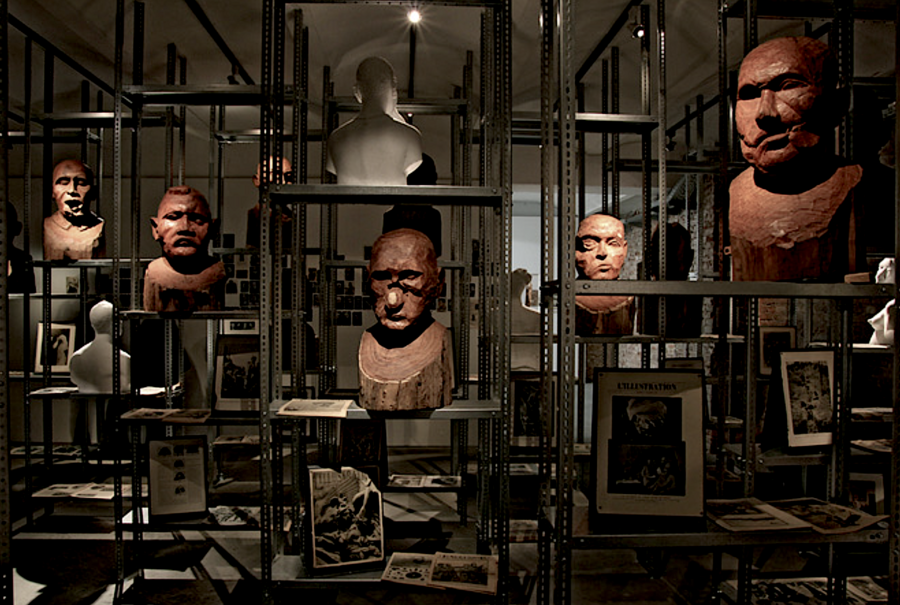
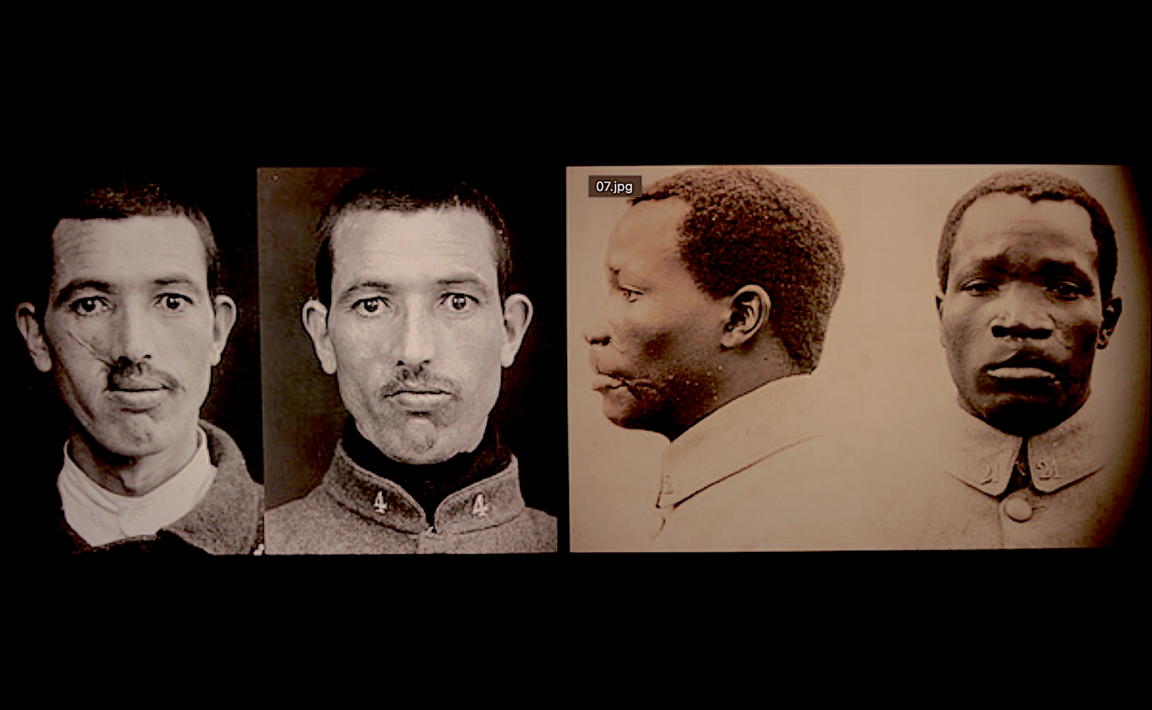
Kader Attia — Repair. 5 Acts (2013)
In the work of Kader Attia, fragility is explored through the fundamental concept of repair—both the physical restoration of objects and the conceptual «healing» of collective memory. His Franco-Algerian background allows him to investigate the deep scars of the colonial past and the complex processes of cultural exchange. Attia literally «repairs» artifacts transforming them into potent metaphors for historical trauma. In his practice, a wound or crack ceases to be a mere flaw; it becomes an active scar — a visible trace of the past, a vessel for memory, and a space for critical dialogue between cultures. Thus, for Attia, fragility is not a weakness to be eliminated but a source of knowledge and a starting point for healing, a reminder that any integrity — historical, cultural, or corporeal — eventually requires conscious restoration.
Doris Salcedo — Atrabiliarios (1992–2004)
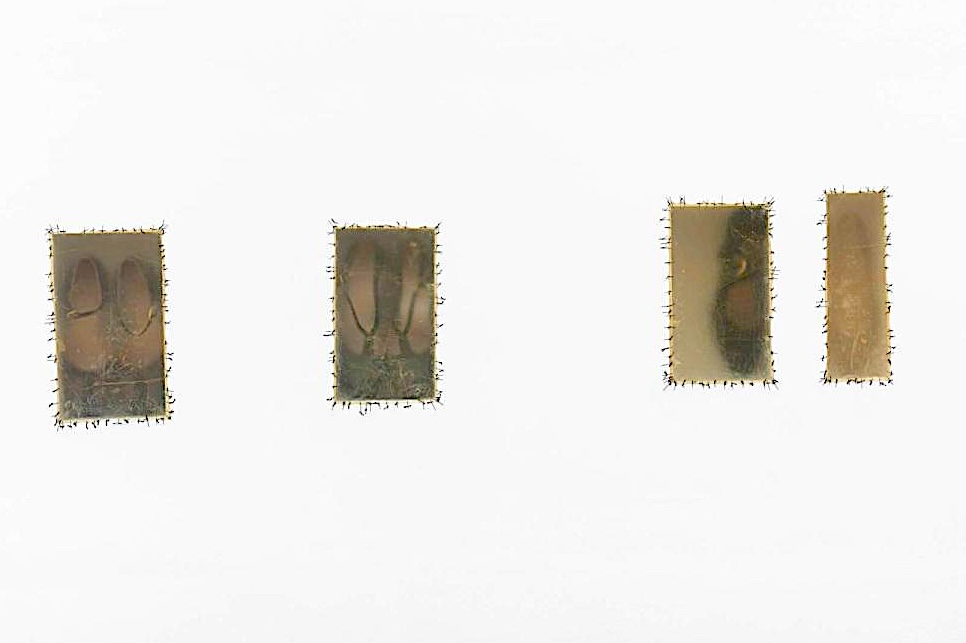
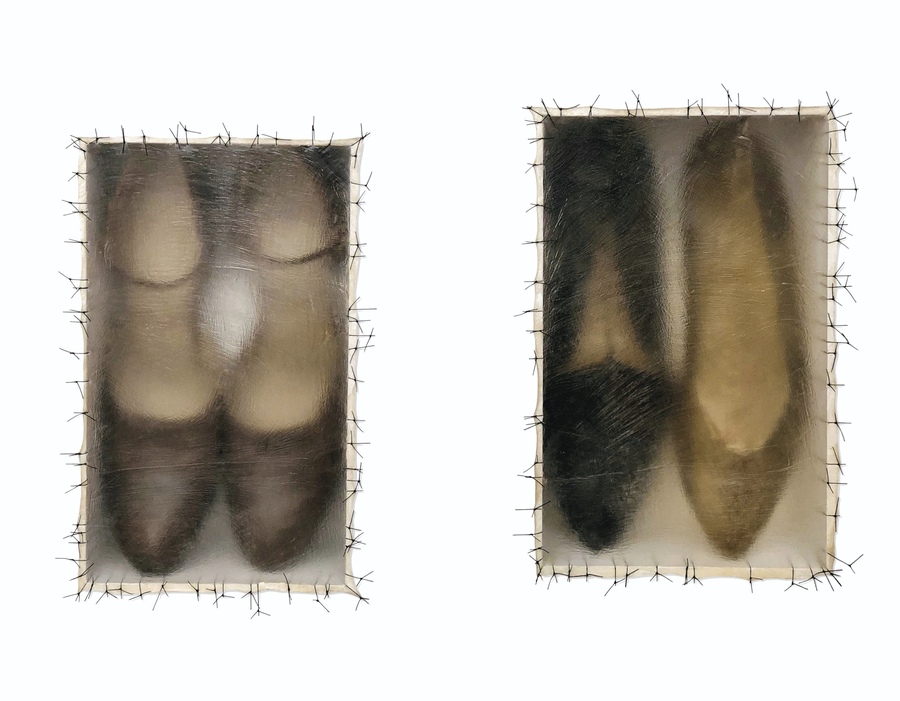
Doris Salcedo — Atrabiliarios (1992–2004)
The installation «Atrabiliarios» by Doris Salcedo materializes fragility as a form of resistance against oblivion. The work consists of walls with niches containing women’s shoes — some paired, some solitary — each belonging to a victim of forced disappearance. The artist uses the shoes as primary evidentiary objects: they bear the imprint of the body and the marks of daily use, becoming a metonym for the vanished individual.
These fragile testimonies are sutured into the wall with a membrane of cow bladder, which radically alters their perception. The semi-transparent, skin-like material veils the shoes, rendering their outlines ghostly and indistinct. In this way, Salcedo creates a visual metaphor for loss itself: the victim’s identity, like its material trace, is not destroyed but erased, obscured, turned into a specter. Here, fragility is not the physical weakness of the objects but the vulnerability of memory in the face of violent erasure. The installation captures not complete death but a traumatic absence, preserving an invisible yet palpable void.
Pamela Rosenkranz — Our Product (2015)
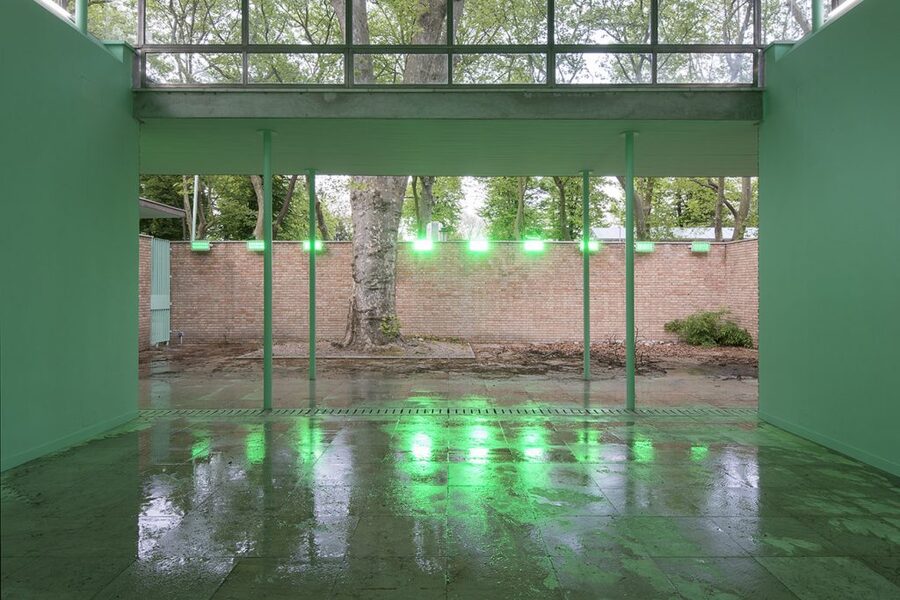
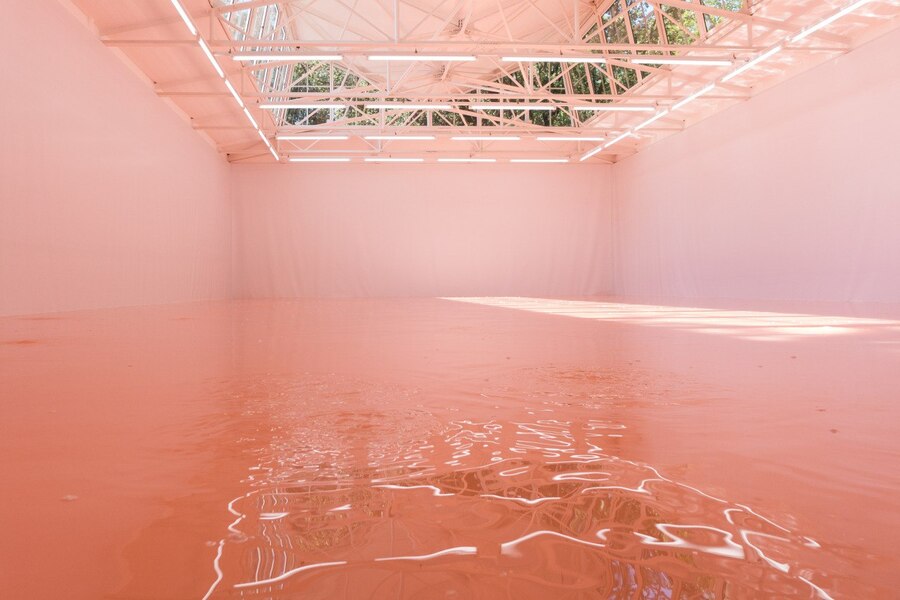
Pamela Rosenkranz — Our Product (2015)
In the installation «Our Product,» Pamela Rosenkranz explores the fragility and artificiality of the corporeal as a social construct. The artist fills a transparent reservoir with a viscous liquid of a «pink» hue — a color simultaneously associated with healthy Caucasian skin and an unnatural, commodified aesthetic. This synthetic bodily product is illuminated by a poisonous green neon light, which kills natural highlights and accentuates the chemical, inert nature of the substance. The sensory dissonance is heightened by a smell reminiscent of a baby’s skin, yet devoid of warmth and evoking revulsion, and by a soundscape of a mechanical heartbeat and breathing.
Rosenkranz creates the «perfect» product — a pure but lifeless extraction of flesh, stripped of subjectivity. Her work reveals the material instability and fragility of this construct. By deconstructing the myth of a «strong,» autonomous, and natural body, the artist ironizes beauty standards, racial stereotypes, and the commodification of human biology itself. Here, fragility is not the vulnerability of the body per se, but of the artificial ideals that society attempts to pass off as natural givens.
Conclusion
Thus, the analysis of five works — from the intimate drama of the body in Pepe Espaliú to the political archaeology of memory in Kader Attia — demonstrates that in contemporary art, fragility ceases to be a synonym for passive vulnerability. It is established as an active epistemological position — a powerful mode of knowing and affirming life. Through fragility, artists explore the limits of their own bodies, become guardians of collective and traumatized memory, and register shifts in social structures and historical narratives. By exposing cracks, scars, and ephemerality, they speak not of weakness but of a strength of resistance, of the energy of life persisting through trauma, and of an ongoing defiance against oblivion and the violent simplification of complex human experience.
Badovinac, Z., Carrillo, J., Piškur, B., & Hiršenfelder, I. (Eds.). (2018). Glossary of common knowledge. Moderna galerija.
Pepe Espaliú // Artforum URL: https://www.artforum.com/events/pepe-espali-242950/ [дата обращения: 10.12.2025]
Kader Attia: REPAIR. 5 ACTS // Artmap URL: https://artmap.com/kwberlin/exhibition/kader-attia-repair-5-acts-2013 [дата обращения: 10.12.2025]
Kader Attia: REPAIR. 5 ACTS // Universes URL: https://universes.art/en/nafas/articles/2013/kader-attia-kw [дата обращения: 10.12.2025]
Doris Salcedo, Atrabiliarios, 1992/2004 // Guggenheim URL: https://www.guggenheim.org/audio/track/doris-salcedo-atrabiliarios-1992-2004 [дата обращения: 10.12.2025]
«Our Product» by Pamela Rosenkranz // The Photo Phore URL: https://www.thephotophore.com/our-product-pamela-rosenkranz/ [дата обращения: 10.12.2025]